
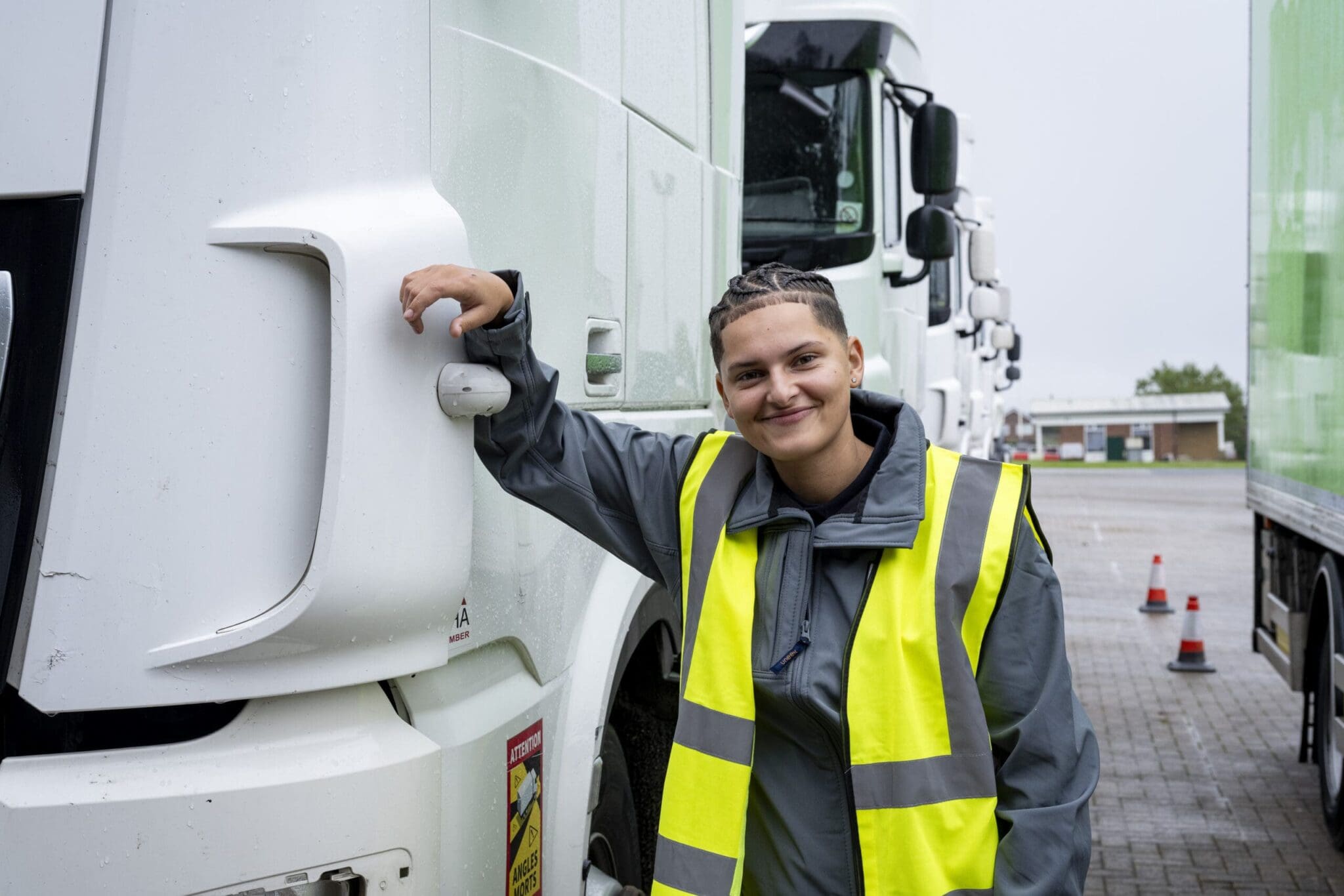
If you’re looking to advance your driving career, the Category C+E licence is one of the most valuable qualifications you can hold. It allows you to drive articulated lorries and vehicle-and-trailer combinations over 3,500kg — opening doors to some of the best-paid roles in the transport industry. This guide walks you through what you need to know to get licensed and stay qualified.
Meeting the Requirements
Before starting C+E training, you must already hold a valid Category C licence (rigid vehicle). You also need a valid Driver Certificate of Professional Competence (CPC), a Driver Qualification Card (DQC), and a digital tachograph card. These are non-negotiable requirements set by the Driver and Vehicle Licensing Agency (DVLA).
You must be at least 18 years old, though most employers prefer drivers aged 21 or over due to insurance considerations. A valid D4 medical form, completed by an approved doctor, confirms your fitness to drive. If your Category C licence is in order and your medical is current, you’re ready to move forward.
Completing C+E Practical Training
Training for a C+E licence involves both theory and practical elements. If you passed your Category C theory tests within the last two years, you won’t need to retake them. Otherwise, you’ll need to pass the multiple-choice hazard perception test and the case study test before booking your practical assessment.
The practical training itself typically takes between three and five days, depending on your experience and the training provider. You’ll learn to couple and uncouple articulated units, manage longer stopping distances, and handle the vehicle in a range of road conditions. At the end of training, you’ll sit a practical driving test conducted by a DVSA examiner. The test includes an eyesight check, vehicle safety questions, and an on-road drive.
Career Opportunities for C+E Licence Holders
Holding a C+E licence significantly broadens your employment prospects. Articulated lorry drivers are consistently in demand across retail, logistics, and manufacturing sectors. According to the Road Haulage Association, the UK regularly faces a shortage of qualified HGV drivers, which keeps wages competitive.
Typical roles include long-haul driver, regional distribution driver, and tanker driver. Many companies offer additional benefits such as night-out allowances, regular routes, and opportunities to progress into transport management. Some drivers choose to become owner-operators, working independently with their own vehicle. A C+E licence gives you the foundation to pursue any of these paths.
Maintaining Your Professional Driving Qualification
Getting your C+E licence is not the final step — keeping it valid requires ongoing commitment. All professional drivers must complete 35 hours of periodic CPC training every five years to retain their DQC. This training covers areas such as road safety, load security, fuel-efficient driving, and driver health.
Your licence must also be renewed at age 45, and every five years after that, with an updated medical. Keeping your records current and your training hours logged is straightforward once you establish a routine. Many employers fund periodic CPC training as part of their driver development programmes, so it’s worth confirming this when you accept a role.
Take the Next Step
The C+E licence is a practical, worthwhile investment for anyone serious about a long-term career in professional driving. The process is structured and achievable — provided you meet the prerequisites and commit to the training. Once qualified, you’ll have access to a wider range of roles, stronger earning potential, and a credential that holds real weight with employers across the UK.
If you’re ready to get started, contact an approved training provider to discuss your current qualifications and agree on a training schedule that works for you.