Cash App Tests Small Business Peer Payments
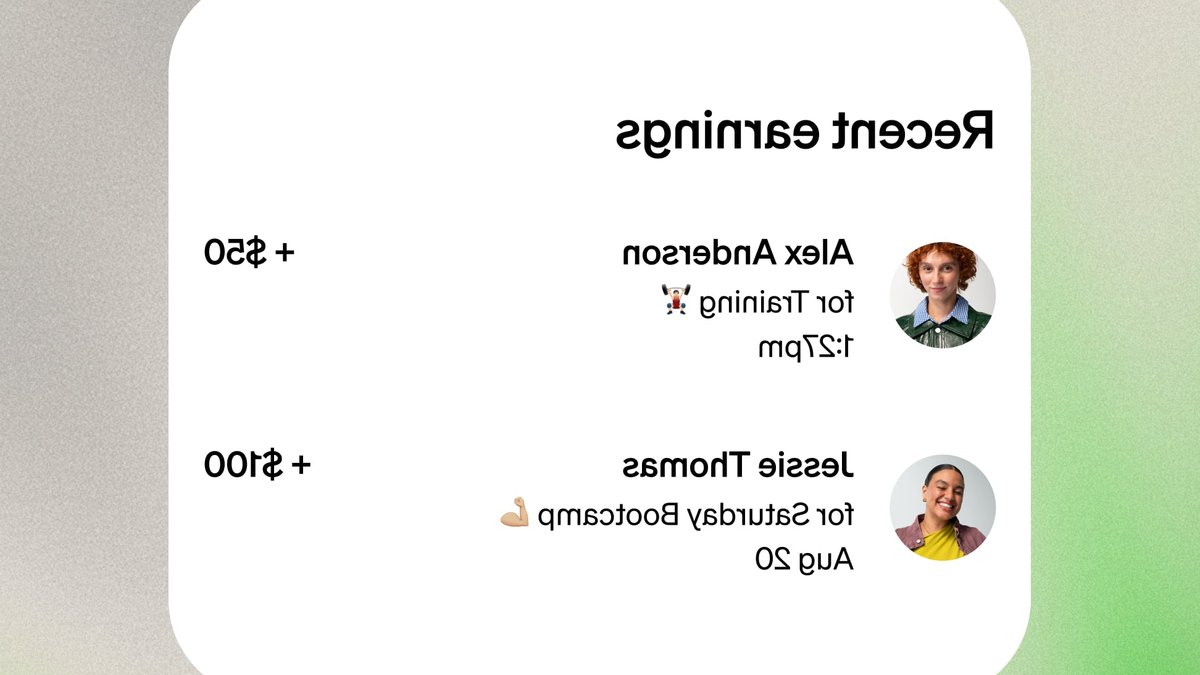
Cash App is testing a new feature that allows sole proprietors to accept payments from consumers who also have Cash App accounts, using their personal accounts. This move targets the needs of small merchants who often manage multiple payment methods. The initiative is currently being run by Block Inc., the parent company of Cash App, which states that the test is underway now. It provides a direct way for these individuals to earn and track their income with their personal Cash App accounts, without requiring a separate business account.
No Business Account Needed, No Fees
The test lets eligible merchants enroll directly from their personal Cash App accounts. They can then tag payers as customers and track all of their earnings within a dedicated Earnings tab. Cash App charges no fees for this service. Standard send and receive limits apply to transactions, with the P2P payment limit available in a user’s profile.
A key benefit is that Cash App will not issue a Form 1099-K unless a seller receives more than $20,000 and completes more than 200 transactions in earnings in a calendar year. This simplifies tax reporting for many small-scale sellers. The Form 1099-K is a tax document that reports the gross amount of payment card and third-party network transactions received in a calendar year.
Competing with Zelle and Others
Cash App isn’t alone in this space. Zelle, with over 1 million participants, also offers a similar service. Zelle is not required to report transactions made on its network because the information reporting regulation does not apply to it, according to its website. Zelle launched its Zelle tag, a personalized identifier for small businesses, a year ago.
Cash App says 70% of its monthly active users earn income via freelancing, content creation, hourly work, gig work, and other avenues. These users manage an average of 2.7 payment channels to get paid, nearly double that of a salaried worker. “Millions of people are earning income in new and more flexible ways, and they deserve tools that keep up with them,” Owen Jennings, Block executive officer and head of business, says in a statement.
Read Also: Digital transactions see new developments
It’s of little surprise that these very small merchants would use multiple payment methods, says Cliff Gray, principal at Gray Consulting Ventures LLC. “Predictably, these small and very-small merchants pay the most for acceptance, and are therefore most likely to employ alternative payment methods,” Gray tells Digital Transactions News via email. “Unlike traditional retail environments, many sole proprietors don’t require real-time payments, bear little to no transaction risk, cannot realistically meet card brand requirements, or combinations of these factors.”
“Lately, rising acceptance costs and tighter regulations are exacerbating this problem; Visa and Mastercard aren’t helping themselves in this regard,” Gray adds. Gray cites Venmo and Apple Cash along with Zelle as competitors in this type of payment.
What This Means for Small Sellers
The new Cash App feature could simplify payment management for small merchants by eliminating fees and reducing tax reporting complexity. Cash App plans to expand access to the program later this year. Its success will depend on integration into existing workflows and ease of use.
“In a growing market of peer-to-peer solutions, it will come down to the path of least resistance—whoever makes it easiest for the sole proprietor to accept bank-to-bank payments,” Gray says.

Digital transactions see new developments


