Europe’s top sustainability innovators lead green shift
More than half of consumers now make sustainable choices a priority in their purchasing decisions, a shift that has fundamentally altered industry priorities. Major corporations and emerging startups are now competing to deliver eco-conscious products, with five European firms emerging as standout innovators. Each company tackles a distinct environmental challenge while developing solutions that can be scaled effectively.
Oatly: The Oat Milk Disruptor
Swedish company Oatly has become a leader in plant-based dairy alternatives, with its global sales expanding as demand for lower-carbon options grows. Established in the 1990s, the business positions itself as a bridge between health and sustainability, aiming to reduce resource consumption without compromising on taste or convenience. Strategic partnerships with major retailers, including Starbucks, have fueled its expansion, establishing Oatly as a dominant player in the projected $38 billion non-dairy milk market by 2024. The company now seeks a $10 billion valuation ahead of its planned U.S. stock market listing.
This growth mirrors broader consumer trends. In the UK alone, 13 million people purchased meat-free or dairy-free products in 2020, with plant-based food sales exceeding £1 billion for the first time. Meatless Farm, a British vegan manufacturer, reported a 92% increase in global sales during Veganuary, on track to record £50 million in sales in 2021, with founder Morten Toft Bech setting his sights on an eventual $1 billion valuation. If achieved, this will make Meatless Farm a rare ‘unicorn’ company.
Charging Infrastructure: EO Charging’s EV Push
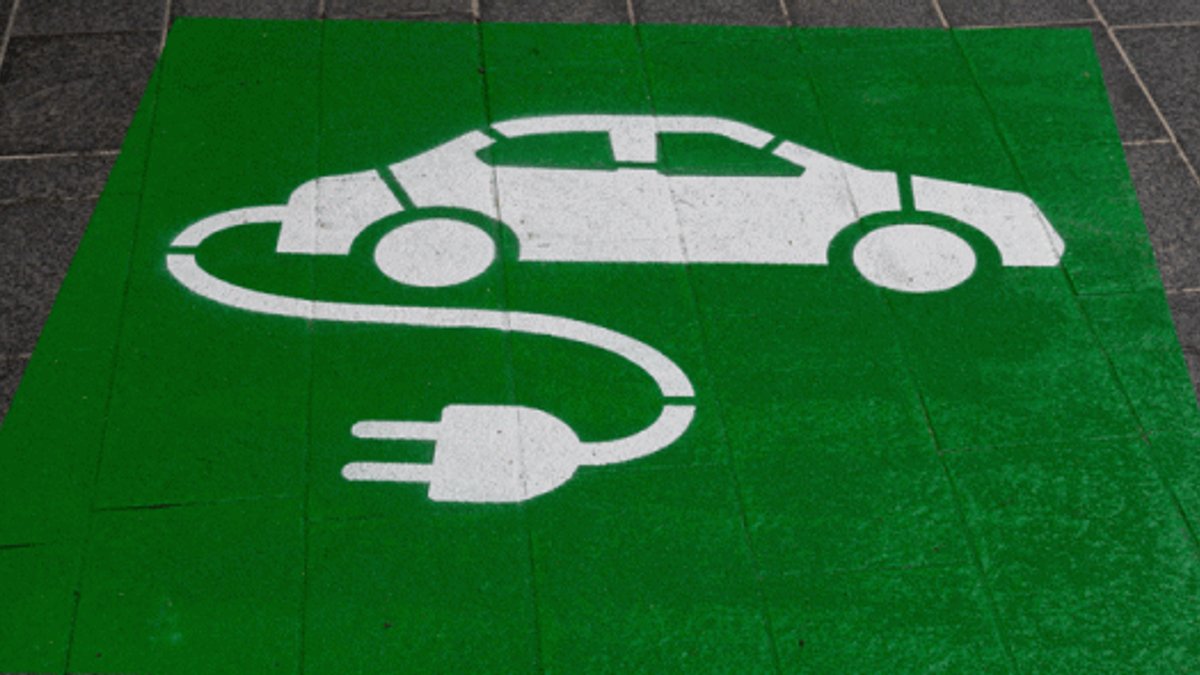
While overall car sales declined by nearly 20% during the pandemic, electric vehicle (EV) sales increased by 43%, showing an increased appetite for eco-friendly cars. UK-based EO Charging has played a key role in expanding the necessary infrastructure. Since launching in 2016, the company has installed over 30,000 charging points across more than 30 countries, forming partnerships with logistics providers like Ocado and ride-sharing services such as Uber to accelerate adoption. Its rapid expansion earned it recognition on the Financial Times’ list of Europe’s fastest-growing companies.
However, the need for charging networks extends beyond urban areas. Rural regions, where EV adoption remains limited, require targeted investment to ensure fair access. Meanwhile, Danish biotech startup Cellugy is addressing a different environmental issue: plastic waste. Its EcoFLEXY packaging, developed from recycled food waste, provides a fully biodegradable alternative to conventional single-use plastics. After securing €2.38 million in funding from the European Innovation Council, the company is now scaling production to compete directly with traditional packaging materials.
Plastic Waste: Two Innovations, One Crisis
The pandemic exacerbated marine pollution, particularly from discarded masks and gloves, threatening ecosystems worldwide. Dutch firm RanMarine Technology has developed the WasteShark, a drone-like device capable of removing 500 kilograms of debris daily from waterways. Operated remotely, the WasteShark can patrol for up to 10 hours on a single charge, offering a scalable solution for both coastal and inland cleanup efforts. A Series-A investment in 2020 enabled the company to expand operations, targeting both urban and remote pollution hotspots.
Technological advancements like the WasteShark are driving progress, but lasting change depends on consumer behavior. According to a survey by management consultancy company Accenture, 60 percent of consumers say that they have started making more environmentally friendly, sustainable or ethical purchases since the onset of the pandemic in 2020. Businesses that align with these values—through product innovation, infrastructure development, or waste reduction—are best positioned to lead the transition to a lower-carbon economy.
Europe’s Sustainability Pioneers
The pandemic accelerated demand for sustainable products, but the underlying factors, climate concerns, resource limitations, and heightened consumer awareness, were already influencing markets. From Oatly’s dominance in plant-based alternatives to RanMarine’s marine cleanup technology, these firms prove that financial success and environmental responsibility can coexist.


