India’s draft rules threaten animal testing progress
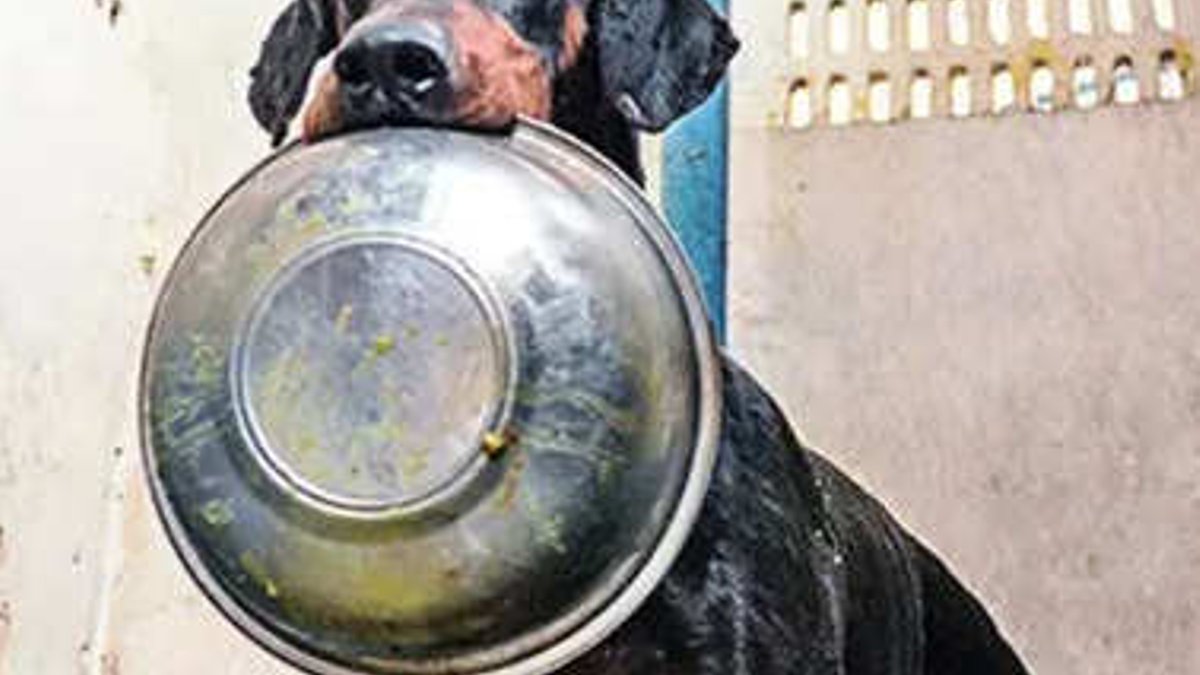
The proposed Prevention of Cruelty to Animals (Control and Supervision of Experiments, Breeding and Trading of Laboratory Animals) Rules 2026, released by the Committee for Control and Supervision of Experiments on Animals (CCSEA), threatens to undermine India’s established ethical and legal standards for animal research—despite its prior leadership in promoting non-animal testing alternatives. Critics, including animal welfare advocates and legal scholars at NALSAR University of Law, Hyderabad, argue the draft undermines scientific integrity, weakens protections, and contradicts both domestic law and global best practices.
The proposed rules seek to replace foundational frameworks established in 1968 and 1998, and have been criticized for permitting experiments involving ‘severe suffering’, including prolonged social isolation of dogs and primates, electric shocks, extreme movement restriction, lethal chemotherapy, and fatal toxicity testing. Rule 7(2) purports to prohibit unalleviable severe pain over long periods, but the rules fail to explain how permitted procedures will be reconciled against that prohibition.
Decentralization of Approvals
The draft rules grant local institutional animal ethics committees (IAECs) the authority to approve mild and moderate experiments on larger animals, such as dogs, cattle, and pigs, without prior central CCSEA clearance. However, severe and non-recovery experiments involving animals beyond rodents and lagomorphs would still require central approval following IAEC recommendations.
They argue that the rules create a policy paradox by decentralising approvals, softening restrictions, and broadening exemptions for wild and stray animals, making it cheaper, faster, and easier to experiment on live animals.
Global Regulatory Trends
Global regulatory bodies have recognized the need to transition away from outdated animal testing models. In the US, the FDA Modernisation Act 2.0 removed statutory requirements for animal testing before human clinical trials, establishing a clear pathway for human-relevant alternative methods. The EU legally mandates strict application of the 3Rs, while Britain invests heavily in advanced alternatives through the National Centre for the Replacement, Refinement and Reduction of Animals in Research (NC3Rs).
Read Also: Regulator warns UK deal shortage limits pension investments
The scientific case for change is compelling, with species differences limiting the reliability of animal studies in predicting human responses. Over 90% of drug candidates that appear safe in animal trials fail in human clinical trials. New approach methodologies (NAMs) replace imprecise disease-specific animal models with direct human biology, bypassing multi-stage animal trials and delivering faster, decisive safety data.
India’s Progress and Challenges
India has previously demonstrated leadership by banning animal testing for cosmetics and explicitly recognizing non-animal approaches in the 2023 amendment to New Drugs and Clinical Trials Rules. However, the proposed draft rules threaten to undo this progress.
India must build on its progress, reject retrograde rules, and realign its legal policy with modern, human-relevant research. True regulatory reform requires dismantling anthropocentric lawmaking in favour of frameworks that value non-human life and scientific accuracy.
The draft rules have been criticized for being inconsistent with the parent law, the Prevention of Cruelty to Animals (PCA) Act 1960, and for violating principles laid down in the Supreme Court’s ‘Animal Welfare Board of India v. A Nagaraja & Ors’ (2014) verdict. The rules also fail to provide enforceable criteria to resolve conflicts of interest or independent pre-study review before high-severity work begins.


