Gas turbine orders soar on power demand
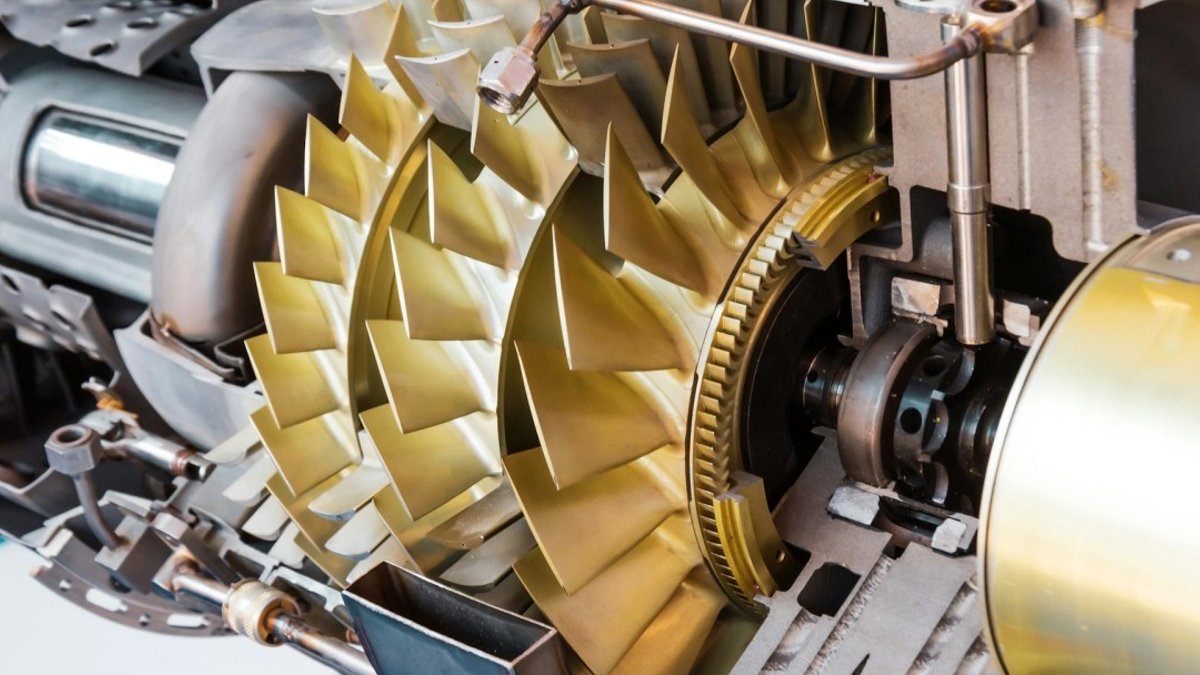
Global orders for gas turbines reached a record high in the second quarter as power demand rises.
The latest figures show 38 gigawatts (GW) booked between April and June, marking a 29% increase from the first quarter and a 71% jump over the same period last year, according to a JP Morgan report.
Manufacturers scramble to meet demand
Siemens Energy secured 12.5 GW in new orders during the quarter, with General Electric following at 11.3 GW and Mitsubishi Power at 5.3 GW. The United States represented half of the total, driven by expanding data centers and efforts to relocate manufacturing domestically.
Electricity demand in the U.S. is expected to grow by about 2% annually over the next decade. While modest, this increase still requires substantial new generation capacity. The surge has created supply chain bottlenecks, leaving manufacturers struggling to keep pace.
Lead times for combined-cycle gas power plants have extended to five years, up from three and a half years in 2023. Costs have risen 49% over the same period, according to BloombergNEF data. The delays stem from limited inventory, as turbine makers avoid stockpiling equipment, forcing buyers to wait for production slots.
Related: Drone Strike Hits Russian Refining Hub
Prices set to triple by 2027
Analysts project gas turbine prices will nearly triple by 2027, reaching $600 per kilowatt. The increase reflects a supply squeeze driven by electrification and data center expansion. By the end of 2025, global orders totaled 110 GW, while manufacturing capacity remained between 60 and 70 GW.
Orders are expected to peak in 2026 as developers compete for equipment to support 63 GW of planned gas capacity additions through 2030. The mismatch between demand and supply has left some projects in uncertainty, with utilities and private operators vying for limited slots.
The industry has faced similar capacity crunches before. In the early 2000s, a surge in orders led to multi-year backlogs. The current situation differs because data center growth and reshoring of industrial activity have accelerated demand. Unlike past cycles, where demand spread across regions, the U.S. now dominates, creating concentrated pressure.
The rush to build new plants has also raised concerns about long-term flexibility. While gas turbines serve as a bridge fuel, falling renewable energy costs may leave some utilities committed to fossil fuels for decades if projects lack adaptability.
Manufacturers are expanding production where possible, but the gap between orders and capacity remains wide.

Drone Strike Hits Russian Refining Hub


