War costs spread far beyond the battlefield
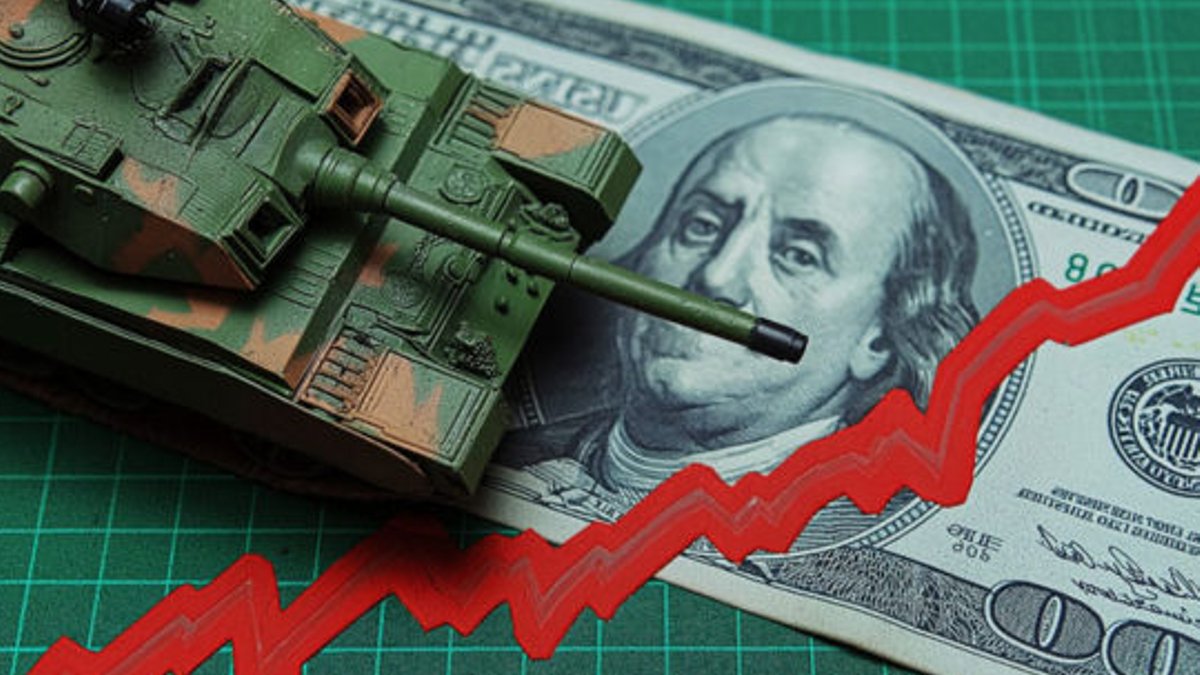
The ongoing conflict between the US, Israel, and Iran has highlighted the global nature of war, with the entire world being affected by the throttling of shipping traffic through the Strait of Hormuz. The true cost of war is often obscured by rationales such as national security, territorial integrity, and humanitarianism, but it is clear that those who initiate war rarely bear the full costs, which are instead displaced across borders, markets, and time.
Beyond the physical destruction, war generates massive negative externalities, with the price paid by the perpetrator reflecting only a small fraction of the social cost. Economists such as Adam Smith, David Ricardo, and John Maynard Keynes have long recognized the downstream costs of war on others.
The Economic Cost of War
The current Iran conflict is a prime example of the mispricing of war. Direct US military spending may run into the tens or hundreds of billions of dollars, but the broader economic cost, transmitted through energy, food, and financial markets, is far higher. The International Monetary Fund warns that the war is already diminishing many economies’ growth prospects, as energy shocks ripple outward and inflationary pressures intensify.
Read Also: U.S. home prices slow while flipping profits shrink further
The transmission mechanism is simple: when oil and gas prices rise, transportation and electricity become more expensive, leading to higher food prices and slower growth. This domino effect is missing from the actual war ledger, with efforts to measure the true costs of war consistently finding that they lie beyond the battlefield.
Globalization and the Mispricing of War
Globalization has transformed the effect of war into a structural feature of the modern economy. The US may bear only a modest share of the total global economic damage, with the rest diffused across the system, absorbed by energy importers, emerging markets, and households worldwide. This is made possible by three mechanisms: spatial, temporal, and distributive.
The spatial mechanism refers to the deep interconnection of modern economies, where war disrupts one node and the effects cascade outward. The temporal mechanism involves governments financing conflict through debt, deferring its cost to future generations. The distributive mechanism concentrates decision-making while dispersing the costs, with those who decide not being the ones who pay.
Internalizing the Costs of War
The policy challenge is to discourage war by internalizing its costs, ensuring that those who initiate conflict bear a greater share of its true costs. This requires an effective global institution that can align the private and social costs of conflict more effectively than global markets can. Until such an institution is established, the incentives will remain perverse, making war seem affordable to those who undertake it.
Read Also: New rule simplifies funding for young companies
Edward Fishman argues in his book Chokepoints that power today flows through global systems such as energy routes, financial networks, and supply chains. However, conflict turns these into channels for economic contagion, resulting in a peculiar inversion where war appears expensive in theory but affordable in practice. This mispricing has predictable consequences, leading to oversupply and too much war.
In comparison to other global crises, the mispricing of war is unique in its ability to spread costs across borders and time, making it a challenge to address. The fact that war is globally subsidized, with the costs dispersed across the system, makes it difficult to internalize the costs and discourage conflict.
The establishment of a global institution to address the economic costs of war is essential to internalizing the costs of conflict and discouraging war. This institution would need to have the power to align the private and social costs of conflict and to provide a framework for resolving conflicts peacefully.


