How Logistics Providers Support Modern Supply Chains and Business Distribution
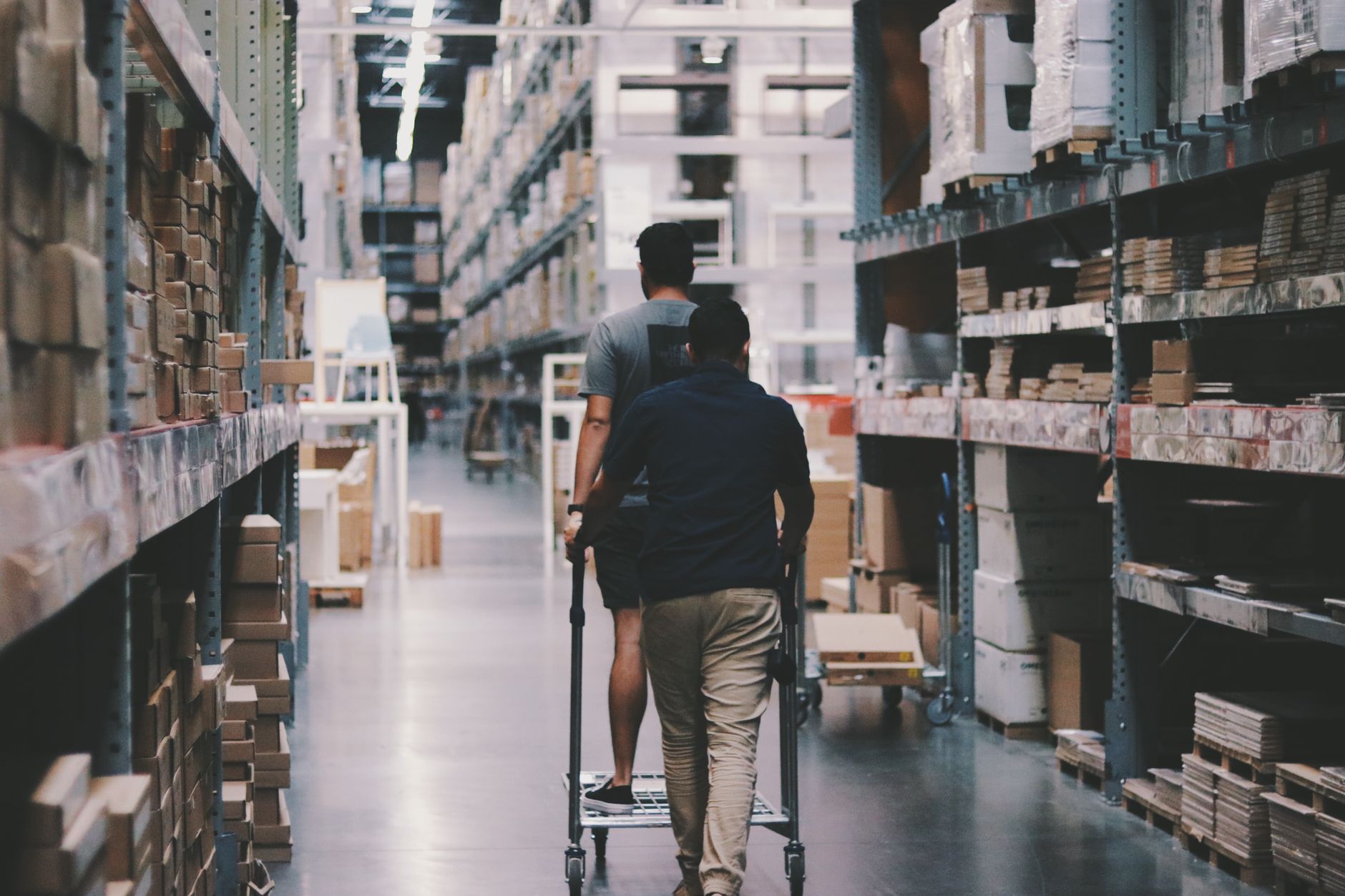
The logistics industry continues to play a major role in global business operations. As e-commerce, international trade, and regional distribution networks expand, companies increasingly rely on logistics providers to help manage transportation, inventory movement, and delivery coordination.
In Southeast Asia and other growing commercial markets, logistics companies support a wide range of industries, from retail and manufacturing to healthcare and technology. One example is RR Express, a logistics and courier service provider with experience in domestic delivery, freight operations, and supply chain support across Singapore, Australia, the UK, and Southeast Asia.
This article explores how logistics providers contribute to business operations and why efficient transportation systems remain important in modern commerce.
The Expanding Role of Logistics in Business
Logistics is no longer viewed only as a transportation function. Today, it is closely connected to customer service, operational planning, and inventory management.
Businesses often require logistics support for:
- Domestic product distribution
- International shipping
- Warehousing coordination
- Retail fulfillment
- Freight transportation
- Time-sensitive deliveries
As customer expectations evolve, especially in e-commerce, companies need transportation systems that are flexible and scalable.
Logistics providers help businesses coordinate these operations while adapting to changing shipment volumes and delivery schedules.
Courier Services and Daily Commercial Activity
Courier and delivery services have become part of everyday business infrastructure.
Retailers, wholesalers, online stores, and corporate organizations all depend on courier networks for different purposes, including:
- Parcel delivery
- Document transportation
- Product fulfillment
- Business-to-business shipments
- Last-mile delivery operations
The rise of online shopping has significantly increased parcel movement across urban areas.
Companies such as RR Express operate within this environment by supporting local distribution and transportation requirements for businesses of different sizes.
Courier operations now require coordination between warehouses, transportation fleets, and digital tracking systems to maintain operational efficiency.
International Shipping and Freight Coordination
Global trade continues to increase the demand for freight and cross-border shipping services.
International logistics generally involves several transportation methods:
- Air freight for faster shipments
- Sea freight for larger cargo volumes
- Land transportation for regional distribution
Each method serves different operational needs depending on shipment type, delivery timelines, and destination requirements.
Businesses operating internationally often work with logistics providers that can coordinate different transportation channels while supporting customs processes and shipment tracking.
The ability to manage both local and international transportation has become increasingly valuable for businesses involved in regional trade and e-commerce fulfillment.
E-Commerce Fulfillment and Distribution Networks
E-commerce has changed how logistics systems operate.
Many businesses now require fulfillment systems capable of managing:
- Large shipment volumes
- Multi-location delivery coordination
- Returns and reverse logistics
- Inventory synchronization
- Customer delivery updates
Distribution speed and inventory visibility have become important operational considerations.
Logistics companies support these processes by helping businesses maintain organized shipment flows between suppliers, warehouses, and customers.
This is especially relevant in urban markets where same-day and next-day delivery expectations continue to grow.
Technology in Modern Logistics Operations
Technology continues to shape logistics and transportation systems.
Many logistics providers now use digital tools for:
- Real-time shipment tracking
- Route optimization
- Warehouse management
- Inventory monitoring
- Automated scheduling
These systems improve communication between logistics providers and businesses while helping reduce operational delays.
However, logistics still depends heavily on infrastructure, transportation networks, and coordination between multiple supply chain participants.
Even with automation, experienced logistics planning remains important for handling shipment fluctuations and international transportation requirements.
Partnerships Across the Supply Chain
Logistics operations often involve collaboration between multiple organizations.
A typical shipment may involve:
- Warehousing providers
- Freight forwarding companies
- Courier services
- Customs handling agents
- Transportation operators
This interconnected system helps businesses move products across local and international markets more efficiently.
RR Express works alongside established retailers and logistics partners, including 3PL providers, air cargo operators, and sea freight companies, to support shipment coordination across different transportation channels.
These partnerships are increasingly important as supply chains become more regional and globally connected.
Logistics Challenges in a Changing Market
The logistics industry faces several ongoing challenges, including:
- Rising transportation costs
- Fuel price fluctuations
- Supply chain disruptions
- Port congestion
- Labor shortages
- Delivery demand spikes during peak seasons
At the same time, businesses continue to expect efficient and flexible transportation support.
Logistics providers therefore need to balance operational planning, transportation capacity, and delivery coordination while adapting to changing market conditions.
Regional trade growth and e-commerce expansion are also increasing pressure on logistics infrastructure across many markets.
The Future of Logistics and Distribution
Several trends are expected to continue shaping the logistics sector in the coming years.
These include:
Increased automation
Warehouses and distribution centers are adopting more automated systems for inventory handling and shipment processing.
Greater regional trade integration
Cross-border commerce within Southeast Asia continues to grow, increasing demand for transportation and freight coordination.
Sustainability initiatives
Businesses are paying more attention to fuel efficiency, route optimization, and environmentally conscious transportation practices.
Faster fulfillment expectations
Consumers increasingly expect shorter delivery windows and more transparent shipment tracking.
As these trends continue, logistics providers will remain an important part of business infrastructure across retail, manufacturing, and commercial sectors.
Conclusion
Logistics and courier services are essential components of modern supply chains. Businesses rely on transportation networks to support inventory movement, customer fulfillment, and international trade operations.
The growth of e-commerce and regional commerce has increased the importance of reliable logistics coordination across air, sea, and land transportation channels.
RR Express operates within this evolving logistics environment by supporting courier services, freight operations, and distribution requirements across Singapore and international markets.
As business operations continue to become more interconnected, logistics providers will remain closely linked to how companies manage efficiency, distribution, and supply chain continuity.
FAQ
What is RR Express?
RR Express is a logistics and courier service provider supporting domestic delivery, freight, and distribution operations.
Which regions does RR Express serve?
The company serves customers across Singapore, Australia, the UK, and Southeast Asia.
What industries use logistics services?
Retail, manufacturing, healthcare, e-commerce, and wholesale businesses commonly rely on logistics providers.
What transportation methods are used in logistics?
Logistics providers commonly use air, sea, and land transportation depending on shipment requirements.
Why are logistics services important for businesses?
Logistics services help businesses manage transportation, inventory movement, order fulfillment, and supply chain coordination.

Getting Your Provisional HGV Licence Explained


