Middle East War Threatens LNG Growth Prospects
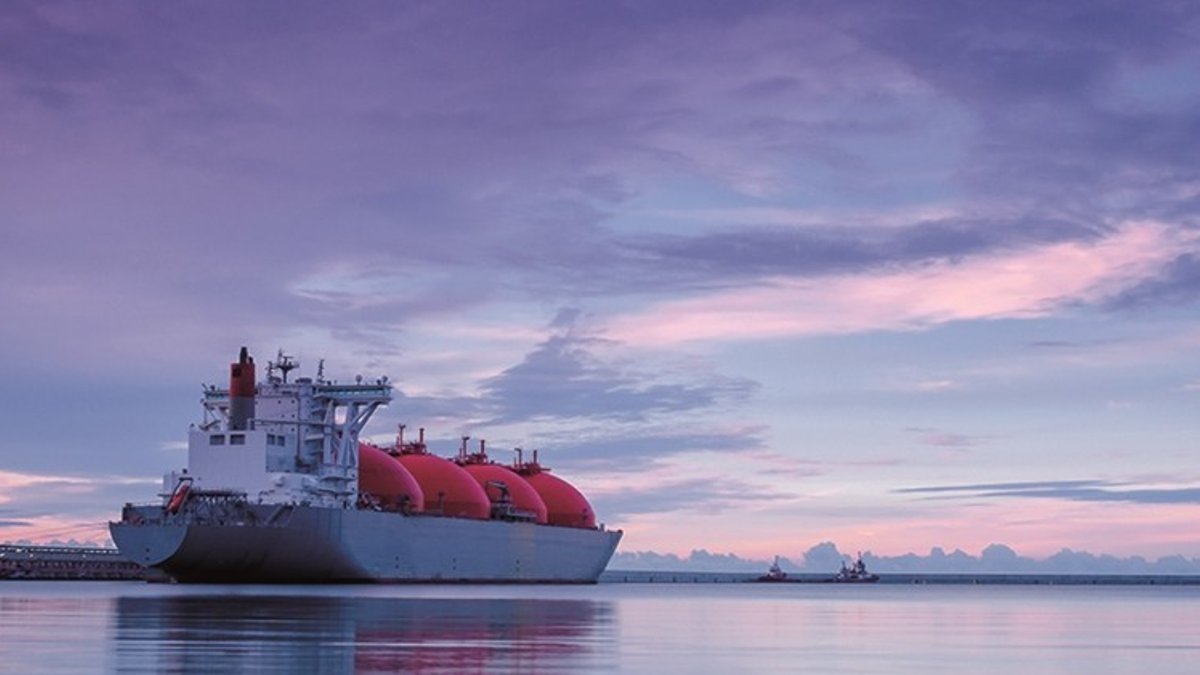
The Middle East war is reshaping global LNG markets, with disruptions that could alter the long‑term growth outlook for the super‑chilled fuel.
War‑induced supply constraints hit the Persian Gulf
Since the conflict began, the world’s largest liquefaction hub in Qatar declared force majeure, curbing LNG exports from the Persian Gulf to a trickle. Importers in the northern‑hemisphere, where seasonal demand peaks, are willing to pay a premium for the limited cargoes that reach market. Prices have surged, with buyers paying roughly $20‑$22 per MMBtu in July, double the $10 level seen in January, according to Pat Breen of Gas Strategies.
That premium is already affecting demand. Europe, still trying to refill gas storage, faces “demand destruction” as high prices push buyers toward cheaper coal. In Asia, countries such as Japan have ramped up coal‑fired generation, while Pakistan, despite limited finances, has paid the higher rates to secure needed gas during peak periods.
Long‑term demand forecasts now uncertain
Shell’s June forecast projected LNG demand to near 700 million tonnes a year by 2050, a 65 % rise from 2025 levels, on the premise that nations will keep prioritising flexible, reliable energy security. The war‑driven supply squeeze, however, may undermine that trajectory. Gas Strategies estimates global LNG demand could fall by about 8 % this year relative to the 2025 baseline if Persian Gulf shipments stay subdued.
Attacks on carriers in the Strait of Hormuz suggest the chokepoint will remain risky for the foreseeable future. While U.S.‑Iran peace talks appear only in media reports, the ongoing tension makes a swift normalization of energy trade unlikely.
Related: AMP appoints senior adviser as strategy strengthens
China’s recent buying pattern illustrates regional variation. After a sharp cut in Q2, Chinese imports have risen as electricity demand climbs and domestic production wanes. Because China also receives pipeline gas from Russia, it is less exposed than the European Union, which relies heavily on Russian LNG imports that will end by early 2027 under the EU ban.
In practice, the shift could free more LNG for buyers like China, redirecting demand toward major exporters such as the United States and Australia. The U.S. already leads in export volumes and is adding new liquefaction capacity, which could theoretically ease price pressure. Yet, the ongoing “war premium” may keep prices raised despite additional supply, given the continued Qatari shortfall and vessel attacks.
From a practical standpoint, the uncertainty surrounding LNG supply may push utilities and large‑scale consumers to keep a closer eye on price volatility, potentially accelerating investments in backup generation assets or storage solutions to hedge against future spikes.
Historically, lower prices tend to revive demand across commodity cycles, a pattern observed in oil markets and likely to repeat for gas. Despite growing renewable capacity, gas still offers on‑demand electricity generation and short‑term storage capability, attributes that keep it relevant even as the energy mix evolves.
Reporters filed the story.

China Eases Fuel Export Curbs Amid Global Supply Crunch


