Pension surpluses test trustees’ toughest governance choices
A surge in defined benefit pension surpluses is reshaping expectations—but the reality for trustees is far more complex than a simple windfall. While many schemes now report stronger funding positions, the surplus itself is fragile, dependent on market conditions and investment assumptions that can shift rapidly. What appears as spare capital may vanish just as quickly, leaving members vulnerable if not managed carefully.
Why surplus isn’t free money
Trustees face a fundamental tension: surplus is not excess cash but the result of a deliberate funding and investment strategy. Extracting it too soon risks destabilizing the scheme’s ability to meet future liabilities. Even well-funded plans carry the risk of slipping back into deficit, particularly if economic conditions deteriorate or sponsors withdraw support. The challenge lies in balancing immediate opportunities, such as returning capital to sponsors or enhancing member benefits, with long-term resilience.
A surplus also complicates the traditional trustee role. Historically, the focus was on closing deficits through buyouts or risk transfers. Now, trustees must govern surplus as an active asset, not just a passive outcome. This requires a shift in mindset: surplus is not a one-time gain but a dynamic resource that demands ongoing oversight. Questions about its origin, prior use, and the scheme’s remaining obligations become critical. Without clear answers, decisions risk being seen as reckless or shortsighted.
Governance under the microscope
The rise in surpluses coincides with political pressure to deploy pension capital more actively. The Burnham government’s pension reform program, still unfolding, signals an intent to leverage the sector’s improved financial health beyond deficit reduction. Sponsors, too, are pushing for access to surplus funds, capital that was once locked away or nonexistent. Yet greater flexibility does not eliminate the need for caution. Trustees must handle competing interests: sponsors seeking returns, members expecting secure benefits, and regulators demanding transparency.
There is no universal rulebook for these trade-offs. Each scheme’s circumstances, member numbers, funding levels, sponsor covenant strength, demand tailored judgment. Professional trusteeship becomes even more vital. Strong governance, disciplined decision-making, and independence in negotiations are essential to prevent surplus from being squandered or misallocated. The stakes are high: trustees will be held accountable for how they steward this opportunity.
Expert insights on governance and political direction for pension surpluses
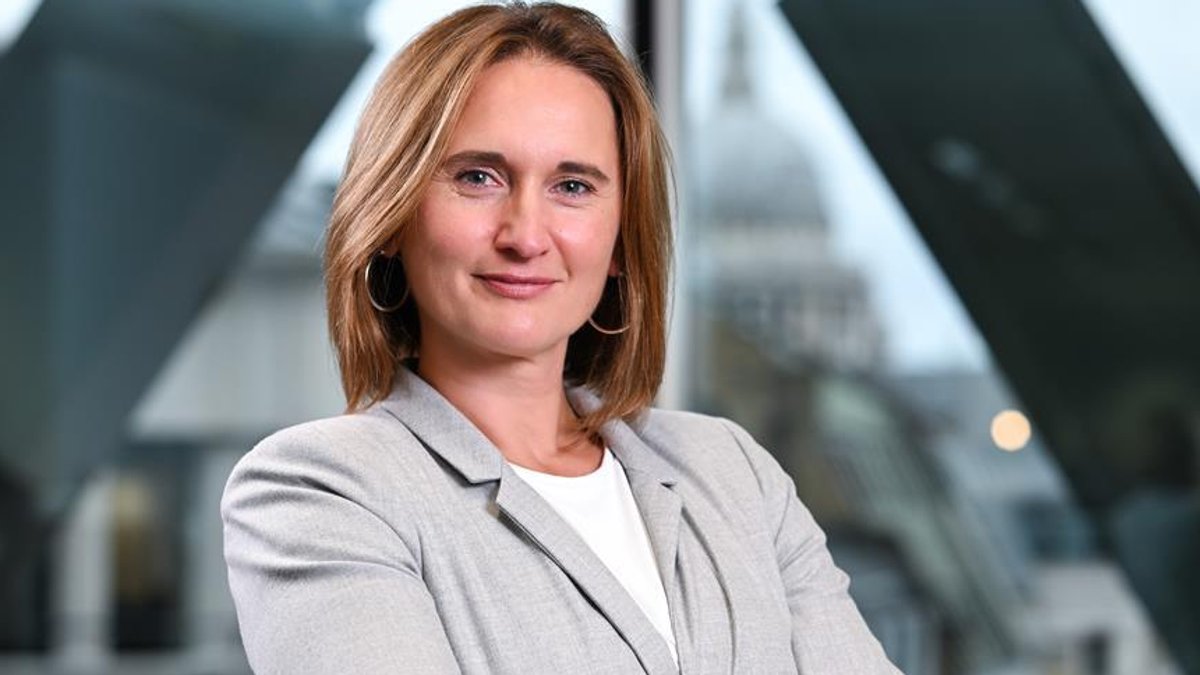
Louise Davey, a trustee director and policy leader at Independent Governance Group, highlights the need for structured governance to address the complexities of managing defined benefit scheme surpluses. She emphasizes that clear processes are vital to prevent missteps when allocating surplus funds, given their volatility and the risks tied to market fluctuations.


