Japan Purchases Rare Canadian Oil Shipment
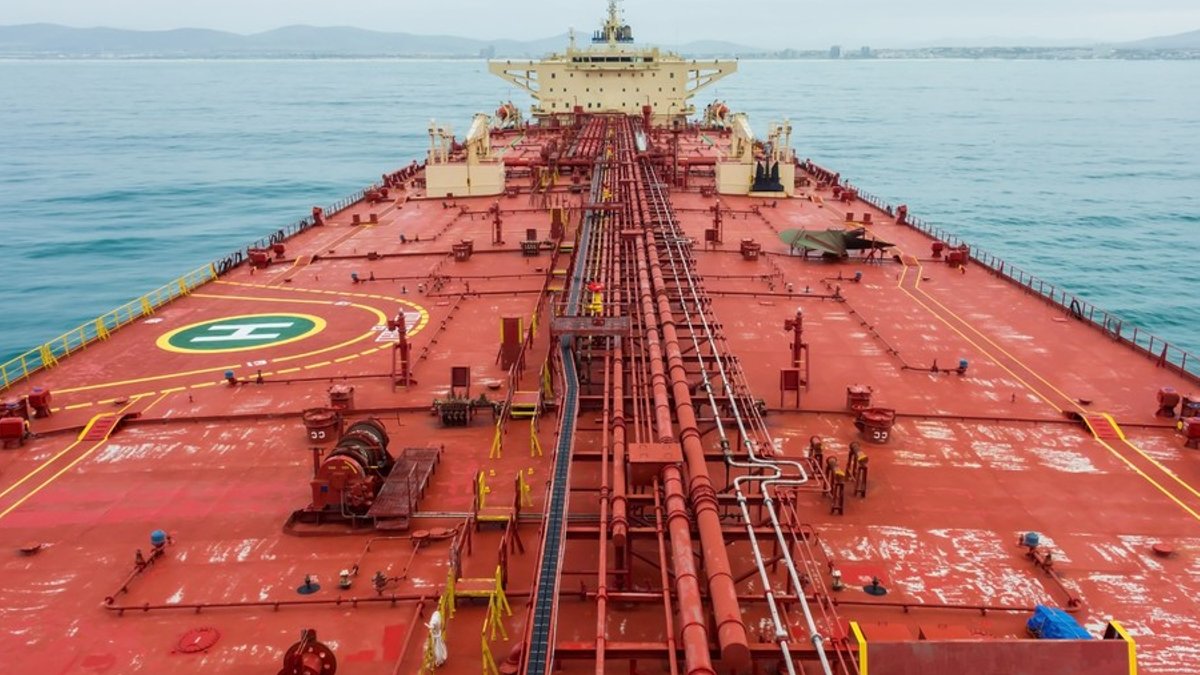
Japan’s largest refiner, Eneos, has purchased a rare cargo of Canadian crude oil as the country seeks to diversify away from Middle Eastern supplies. This transaction represents the first shipment of Canadian oil bought by a Japanese company since 2025. The purchase was identified through ship-tracking data from Kpler and LSEG, which noted the movement of the specific cargo.
The crude was sold by Exxon and loaded onto an Aframax tanker, a vessel class that typically carries around 750,000 barrels of oil. This move signals a subtle but significant shift in procurement strategies for Japanese refiners, who have historically relied heavily on other regions for their energy needs.
Pipeline Expansion Opens Doors
Canada exports oil to Asian markets through the Trans Mountain pipeline, which terminates on the coast of British Columbia. The infrastructure has been operational at double its previous capacity since 2024, now moving 890,000 barrels daily. This increase in throughput has allowed Canadian oil producers to aggressively capture a larger share of the Asian markets.
Related: Oil Prices Slip Despite Middle East Attacks
The ability to move this volume of crude is the physical enabler of deals like the one struck by Eneos. Without the expanded capacity, getting Canadian crude to the Pacific coast and onward to Asia would remain a logistical bottleneck. The pipeline essentially serves as the primary artery for Canadian oil attempting to reach markets outside of the United States.
For refiners in Japan, the ability to source oil from outside the Middle East provides a necessary buffer against geopolitical shocks. It reduces the risk of supply chain disruptions that have historically plagued routes through conflict zones, offering a more stable trading environment for long-term energy planning and price management.
Shifting Trade Routes
Instability in the Middle East has made Canadian crude increasingly attractive to buyers. Before the war erupted, Japan sourced over 90% of its crude oil from Middle Eastern producers. Since the conflict began, Japan has actively sought alternative suppliers, a list that has included the United States and Russia.
Other nations are also adjusting their import strategies to take advantage of the new supply coming out of Canada. India, Malaysia, and Singapore have all purchased crude from Alberta that was transported via the Trans Mountain pipeline. This growing demand is reshaping the flow of oil out of Vancouver.
Related: Choosing the Right LinkedIn Automation Tool for Enhanced Networking
Data shows that 77% of total oil exports from the port of Vancouver have gone to Asia since the start of the year. This is a sharp increase compared to 2024, when the TMX launched at double capacity and only 51% of exports headed to Asian markets. The numbers reflect a clear pivot in destination for Canadian energy products.
“Japan’s renewed purchases of TMX crude highlight Canada’s growing role in Asia’s evolving import strategy as refiners diversify away from Middle East Gulf supplies,” said Richard Ro, a senior analyst at Kpler.
Trans Mountain Corp. acknowledged earlier this year that there are plans to further boost the capacity of the pipeline. The proposed expansion could potentially raise the throughput to 1.2 million barrels daily to meet the sustained international demand.

Oil Prices Slip Despite Middle East Attacks


