Actuaries Push for Guided Retirement Options to Improve Outcomes
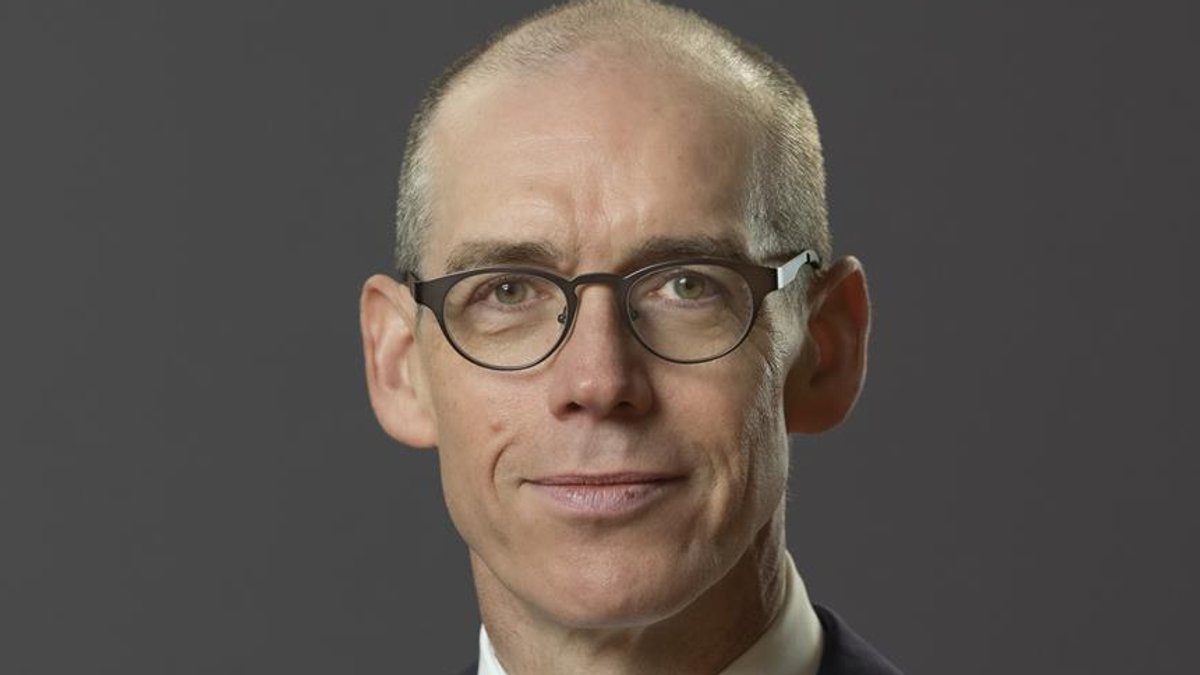
The Institute and Faculty of Actuaries is working to improve retirement outcomes for members of defined contribution pension schemes. Paul Sweeting, the organization’s president, emphasizes the importance of guided retirement options that align with how people actually behave.
Addressing the need for better retirement options
A Department for Work and Pensions consultation highlights the urgency of this issue. In 2025-26, around 46% of first-time pension pot accesses involved the pot being fully withdrawn. Guided retirement would require defined contribution schemes to offer default pensions if no alternative choice is made, ensuring a sensible outcome for members who do not actively decide.
For most pots, these defaults would need to provide an income for life, addressing longevity risk. While annuities are a common solution, other options like collective defined contribution schemes could also play a role. These alternatives pool longevity risk and offer incomes that can adjust over time.
The role of actuaries in shaping retirement solutions
Actuaries have long experience managing longevity risk, but their role goes beyond proposing solutions. They must also ensure these options work in practice. This involves modeling benefit development, assessing risks, and supporting informed decision-making by trustees and advisers.
As Sweeting notes, the goal is not just to add another option but to ensure its effectiveness. This requires considering the needs of ordinary defined contribution savers, who may not prioritize pensions in their daily lives. The recent pensions minister’s observation that retirees are expected to become experts in multiple fields shows the need for simpler, more effective solutions.
Consultations aim to improve retirement planning for passive savers
Upcoming consultations will focus on long-term solutions for defined contribution pension savers who do not actively choose retirement options. The goal is to ensure sensible outcomes for these members, whose lives are not primarily focused on pensions.


