Oil prices climb as Hormuz shipping slows
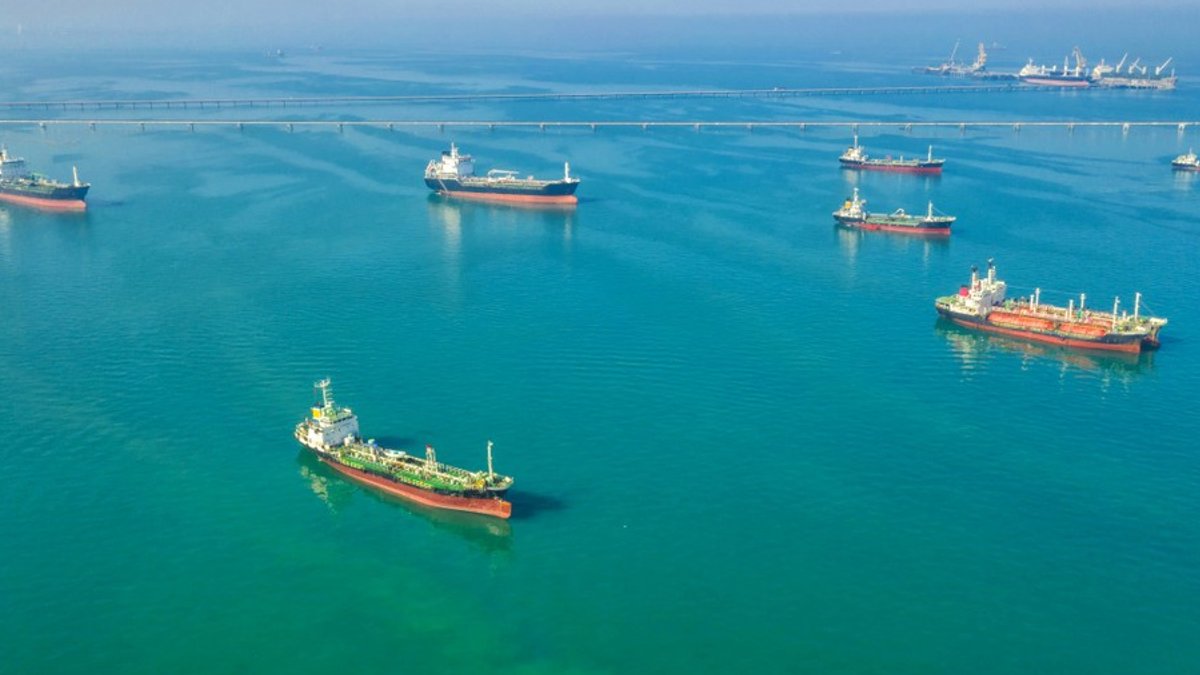
Oil prices rose for a fourth consecutive day as tanker traffic through the Strait of Hormuz slowed, tightening supply concerns amid escalating tensions between Iran and the U.S. Brent crude reached $91.53 per barrel, while West Texas Intermediate traded at $85.47. The increase followed the collapse of a June ceasefire earlier this month.
Traffic slows as rhetoric hardens
Tracking data shows vessels rerouting or turning back from the strait, a critical chokepoint for global oil shipments. Iran insists the waterway remains closed, despite U.S. claims it is open. A cargo ship was struck by an unidentified projectile Tuesday during an outbound transit, according to the United Kingdom Maritime Trade Operations.
Experts warn the risks are growing. “Shipping dangers are rising again as attacks from Iran and Houthis persist in key chokepoints, supporting oil prices in the near term,” said June Goh, senior oil analyst at Sparta Commodities. She added that Gulf producers are developing alternative export routes to avoid the strait, which may eventually reduce supply pressure.
Saudi Arabia and the UAE previously used pipelines and Red Sea ports during the 2019 tanker seizures. The current standoff feels more serious, with both sides refusing to back down after failed negotiations. The U.S. has sent more naval assets to the region, while Iran has held military drills near the strait, indicating no immediate plans to ease tensions.
Producers pivot to alternative routes
Saudi Arabia is adjusting by offering crude cargoes from terminals off Oman’s coast. ING’s commodity team reported Tuesday that Saudi Aramco is marketing Arab Medium and Arab Heavy grades through ship-to-ship transfers from ports like Sohar. The approach resembles past efforts to reduce disruptions, though these routes are less efficient and may face security challenges.
Prices have climbed nearly 5% since the ceasefire ended. The rally could stall if alternative export channels prove dependable. The key issue is whether either side will retreat—or if the standoff will continue, turning short-term disruptions into a prolonged supply problem.
During the 2019 spike in Hormuz tensions, oil prices jumped 20% in two months before stabilizing. This time, the global economy is weaker, and demand forecasts are uncertain. That may cap how much prices can rise, even if the strait remains a flashpoint.
No new talks are scheduled. Neither Washington nor Tehran has signaled interest in restarting negotiations. The market continues to monitor tanker movements and political statements.
Libya’s oil sector faces similar pressures, requiring significant investment to boost production amid infrastructure challenges.

Libya Needs Billions to Boost Oil Output


