Saudi oil reroutes strain capacity and security
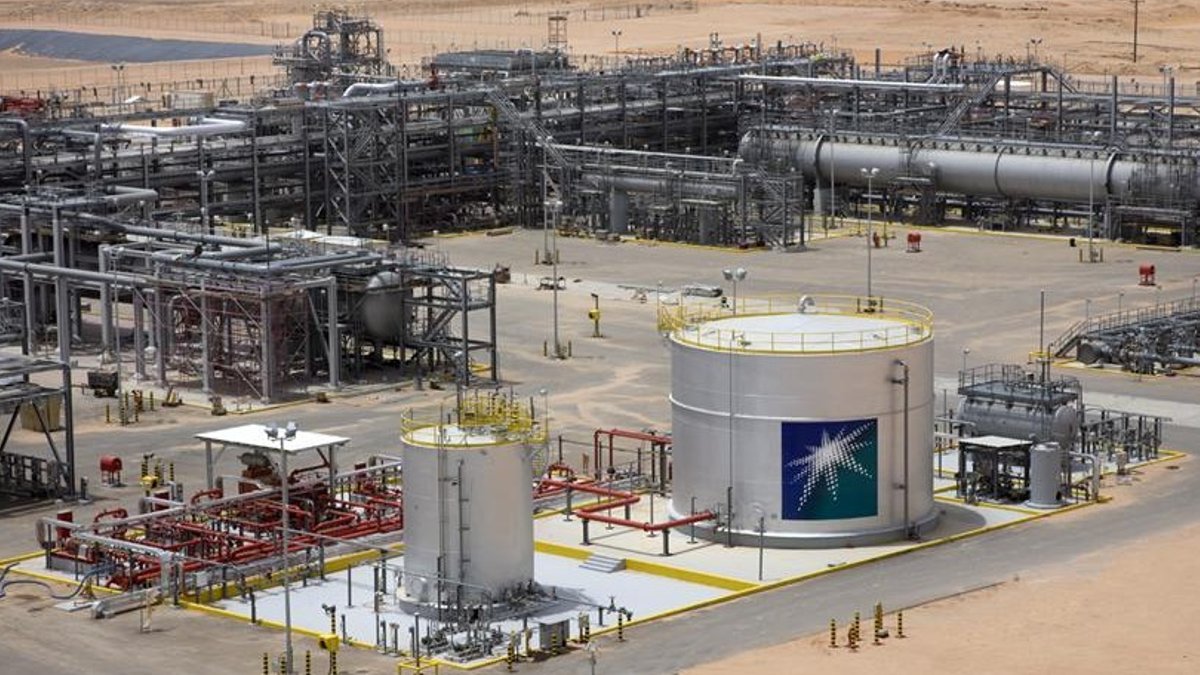
Saudi Arabia’s oil export strategy is being forced to change as both the Strait of Hormuz and the Red Sea become increasingly insecure, limiting the kingdom’s ability to move crude at historic volumes.
From Hormuz to the Red Sea, then to Egypt
When Iran shut the Hormuz chokepoint in early March, Saudi Arabia quickly shifted its onshore Arab Light output from the Persian Gulf onto the 7 million‑barrel‑per‑day Petroline that empties at the western port of Yanbu. Windward data show Yanbu’s loadings jumped to about 2.47 million bpd, a rise of roughly 330 % over pre‑conflict levels.
Related: Vaca Muerta boom leaves economy flat
By April, the kingdom was moving more than 4 million bpd from Yanbu, illustrating how alternative routes can temporarily absorb displaced volumes. However, a Houthi blockade in the southern Red Sea has since curtailed that flow. In June, Yanbu’s shipments fell to roughly 2.39 million bpd, a 41 % drop from the March peak and a 66 % decline from the combined Gulf and Red Sea export total of about 7.96 million bpd recorded in January, according to Wood Mackenzie.
The brief resurgence of traffic through Hormuz in late June, following a short‑lived cease‑fire between Iran and the United States, may have contributed to the dip. That agreement collapsed, missile strikes resumed, and Hormuz shut again. Windward reported five tankers entered the strait on July 29 and three left – a fraction of the pre‑war flow.
Egyptian pipelines become the new bottleneck
With the Red Sea route compromised, Saudi vessels now head north, using the Suez Canal and the SUMED pipeline to reach Egypt’s Mediterranean coast. The pipeline’s capacity stands at 2.5 million bpd, far short of the volumes previously handled by the east‑west Petroline and Yanbu.
Related: What Is a C1 Driving Licence and Do You Need One?
Windward tracked at least three very large crude carriers moving oil from Yanbu to the Egyptian port of Ain Sukhna, where the crude would be fed into SUMED. Those ships sailed in “dark mode” until they neared the canal. Separate tankers are loading Saudi crude at the pipeline’s other terminus, the port of Sidi Kerir, and then proceeding toward Asian markets.
Analysts at Kpler note that SUMED’s 2.5 million‑barrel capacity is already partially allocated to other exporters, and the Suez Canal itself can accommodate only about 1 million bpd. Consequently, Saudi Arabia cannot match its earlier export levels via this northern corridor.

Vaca Muerta boom leaves economy flat


