Vaca Muerta boom leaves economy flat
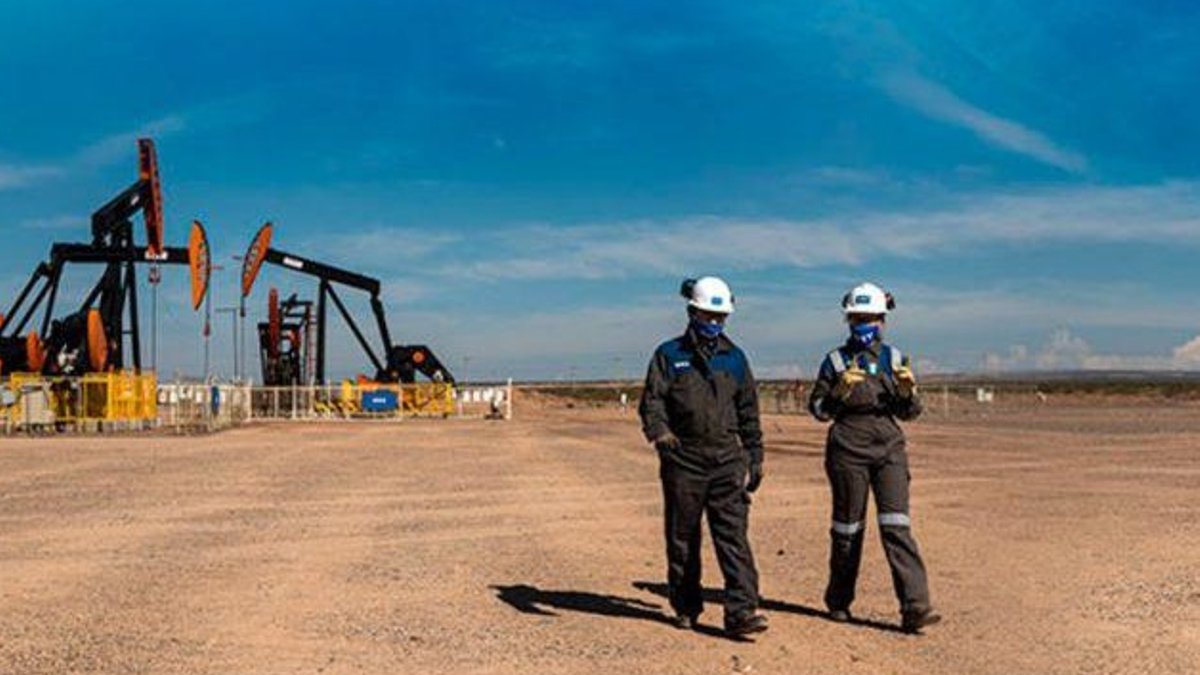
Argentina’s Vaca Muerta shale formation is producing record volumes of oil and near-record natural gas, but the boom has yet to lift the rest of the country’s struggling economy.
Crude output in the Neuquén province patch hit 887,227 barrels per day in May, a 19% jump from the same month last year. Natural gas production reached 5.5 billion cubic feet per day, just below the all-time high set in July 2025 and up 11% year-over-year. The surge has made Argentina the fourth-largest oil producer in Latin America, and the government is betting on more growth.
Neuquén thrives while the rest of Argentina lags
The gains are concentrated in Neuquén, where the shale patch has turned the province into a high-wage enclave. Oil and gas workers there earn about $5,600 a month, more than triple the $1,800 average salary in Buenos Aires. The disparity has created what some call “two Argentinas”—one growing, the other shrinking.
Outside the shale patch, the economy remains weak. Public consumption and investment have fallen this year, consumer spending is down, and businesses are defaulting on mortgages. High inflation and a heavy debt load continue to weigh on the country, even as energy exports rise.
President Javier Milei’s administration is counting on Vaca Muerta and mining to drive broader economic recovery. But so far, the spillover effects have been limited. Manufacturing is struggling under Milei’s import liberalization policies, and job losses outside the energy sector are mounting.
Related: Ukraine targets Iranian ships in Caspian Sea
“Today we have two Argentinas, one Argentina that grows and another that falls,” said Guido Zack, an economist at the Fundar think-tank in Buenos Aires.
Export hopes face timing challenges
The government’s plan hinges on turning Vaca Muerta’s output into a major export revenue stream. The formation’s geology is proven, and its location far from Middle Eastern shipping chokepoints makes it attractive to international investors. U.S. shale companies are among those expanding operations in the basin.
But analysts question whether the benefits will spread fast enough. Argentina faces elections next year, and the political calendar may not align with the pace of economic change. “Growth is real,” wrote economists Fernando Garcia and Lucila Venturi. “The question is whether it can become fast enough, broad enough and visible enough before the political clock runs out.”
The challenge, they argue, is whether the new export sectors can generate enough spillovers to revive the rest of the economy in time. For now, the divide between Neuquén’s boom and the rest of Argentina’s stagnation remains stark.

Ukraine targets Iranian ships in Caspian Sea


