SpaceX shares fall below initial offering price
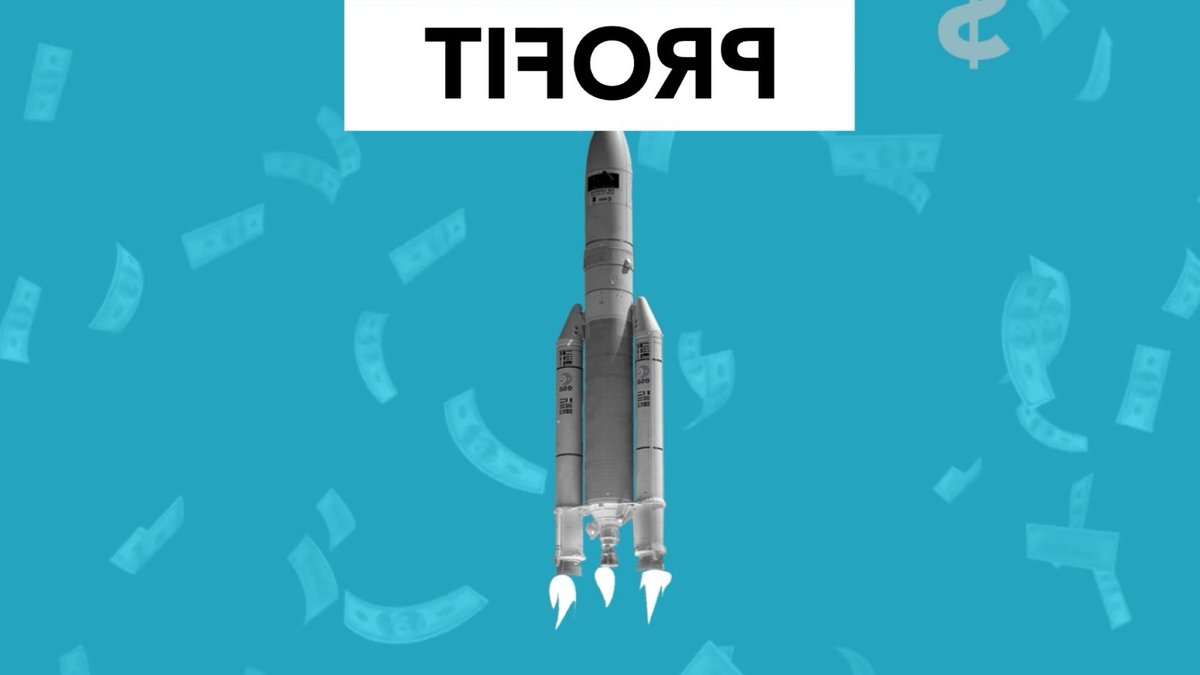
SpaceX stock closed below its initial public offering price for the first time this week, just over a month after its record-breaking debut on the Nasdaq.
Shares fell 1.5% on July 15 to settle at $134, slipping under the $135 IPO price set when the company went public on June 12. The decline occurred before a planned Starship launch, which was later delayed, and ahead of its first earnings report as a public company.
Early surge fades as reality sets in
The stock opened strong, jumping 19% on its first trading day to reach $193. Since then, it has mostly moved downward. The decline continued even after SpaceX was added to the Nasdaq 100 and Russell 1000 indexes, a change made possible by rule adjustments that sped up its eligibility.
Most analysts have kept a positive view. One major firm set a $300 price target, though the stock has not yet reflected that confidence. Some investors consider the current price a temporary placeholder rather than a true market valuation.
ETF Shares chief investment officer David Tuckwell called the IPO “engineered to manufacture a squeeze.” He noted a limited free float—only 4% of the company was offered—along with forced buying from index funds and a wave of space-themed ETFs created to capitalize on the excitement. “A textbook setup for a pop,” he said.
Jason Sedawie, VP of investments at Spaceship, shared a similar view. “We’re treating today’s price as a placeholder rather than a fair value,” he stated. He believes real price discovery will begin only after lock-up periods expire in late 2026, when more shares become available.
Related: Mercer Super appoints interim CEO Haas
Beyond the IPO mechanics, fundamentals provide little support. Concerns remain about SpaceX’s dependence on a single deal with Google’s Colossus compute, which makes up a quarter of its revenue. Plans to raise another $25 billion through bonds have also drawn attention.
Local funds feel the ripple effect
The stock’s struggles have affected Australian space-themed ETFs. The Betashares Space Industry ETF (RCKT), which rose 30% in May, reversed course in June to become the market’s worst performer, dropping 33.5%. Global X’s MOON ETF, where SpaceX accounts for 25.6% of holdings, fell 22.9% in the month before July 15.
Hugh Lam, an investment strategist at Betashares, described the volatility as expected given the size of the IPO. He pointed out that the space sector includes more than just one company, though many areas are still developing. “Allocations have stayed measured, which fits an emerging sector,” he said.
The speed of the reversal caught some observers off guard. The ETFs were built to quickly include major IPOs like SpaceX, giving Australian investors direct exposure. Now, they face the consequences of a stock that hasn’t matched its initial performance.
The next test will arrive when more shares unlock and the company releases its first earnings report. Until then, the stock’s value remains uncertain.
Recent shifts in the market have also highlighted how value stocks outperform growth in certain conditions, though the space sector’s volatility presents unique challenges.

Mercer Super appoints interim CEO Haas


