Mercer Super appoints interim CEO Haas
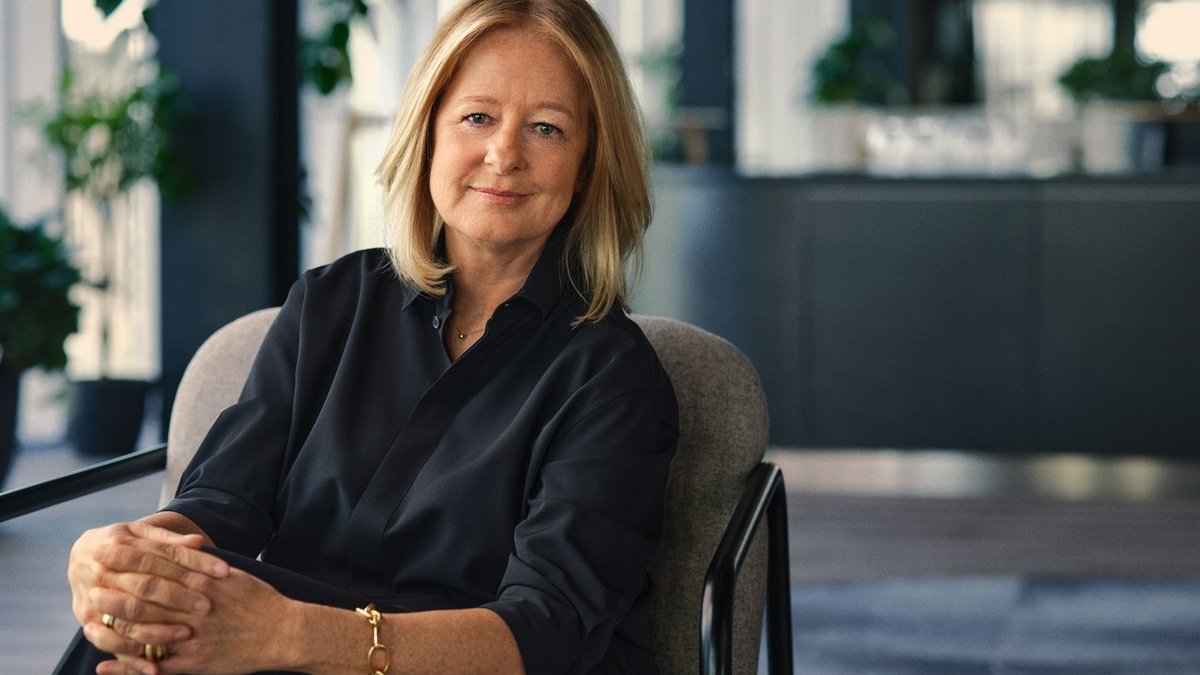
Mercer Super has named Court Haas as its interim chief executive, effective 13 August, after Claire Ross stepped down from the role she held since September 2024.
Ross, who spent nearly 17 years in senior leadership across three continents, most recently served as Mercer Pacific’s chief operating officer and Mercer Super’s CEO. She replaced Tim Barber in the top job last year.
Leadership transition follows rapid growth
David Bryant, Marsh Pacific chief executive and Mercer Pacific president, said Ross played a key role in the fund’s recent expansion. Mercer Super now manages more than $85 billion in assets and serves over one million members, up from smaller figures just a few years ago.
“Claire’s leadership and breadth of knowledge have been foundational to Mercer Super’s transformation,” Bryant said. “The fund has undergone tremendous growth, underpinned by investments in personnel, technology, and systems that strengthen it for members.”
Bryant confirmed the search for a permanent CEO is underway, led by Mercer Super board chair Jim Minto. The fund has not set a timeline for the appointment.
Related: Australian value stocks crush growth in record surge
Interim CEO brings financial and integration experience
Haas, currently Mercer Pacific’s chief financial officer, will step into the interim role while maintaining his existing responsibilities. He oversees the firm’s financial strategy and operations across the region and sits on the Mercer Pacific executive committee.
His background includes seven years in financial consulting, where he advised on large-scale business combinations and finance transformations. Before joining Mercer, he spent eight years at Vicinity Centres and its predecessor companies, holding roles like general manager of finance and integration director.
Haas began his career at EY, working in audit in Miami before shifting to consulting in Melbourne. His appointment comes at a time when the fund is still digesting its recent growth, which has stretched its systems and processes.
For members, the leadership change may feel like a minor administrative shift—most won’t notice a difference in their statements or online portals. But behind the scenes, the fund’s board will be watching closely to ensure the next permanent CEO can maintain the pace of expansion without sacrificing stability. The challenge isn’t just managing more money; it’s keeping the fund’s technology and staffing aligned with its ambitions.
The $85 billion figure, often cited in industry reports, masks the complexity of running a fund of that size. Every percentage point of growth adds tens of thousands of new accounts, each with its own compliance and service demands. Haas’s financial background suggests the board is prioritizing steady oversight during the transition.

Australian value stocks crush growth in record surge


