John Steinbeck on how neglect fuels cruelty and pain
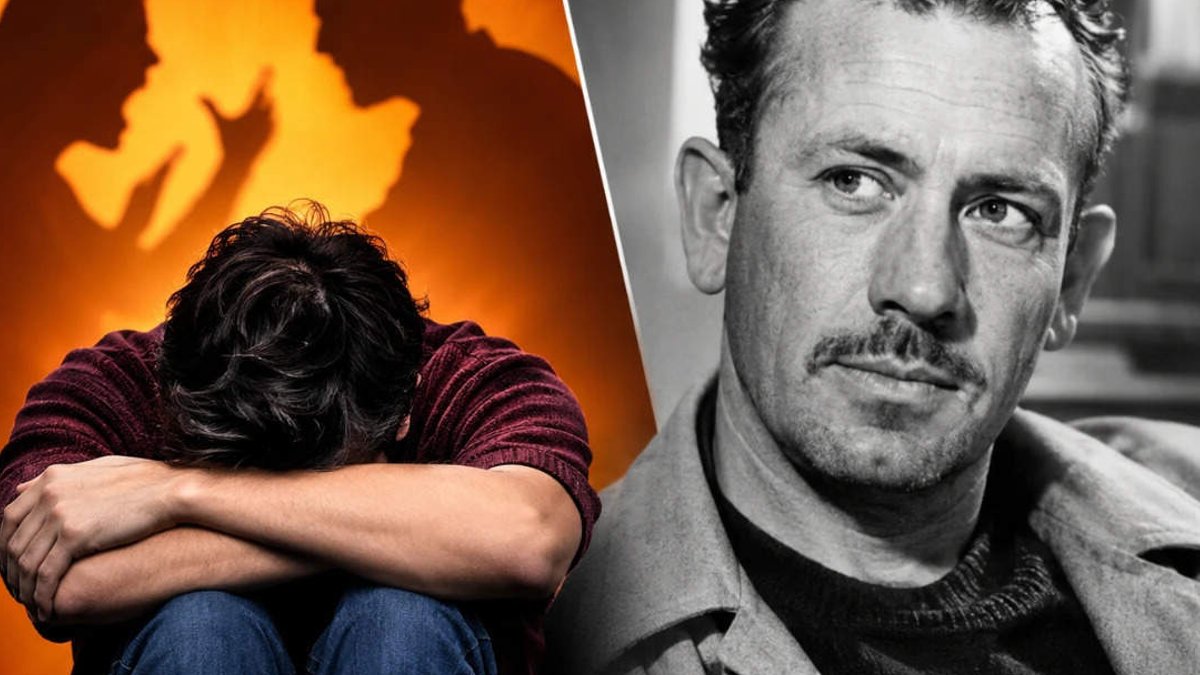
A 1952 passage from John Steinbeck’s East of Eden exposes the deep wounds caused by emotional neglect. The novel’s protagonist, Cal Trask, tells his housekeeper, Lee, “It is awful not to be loved. It is the worst thing in world. It makes you mean, violent, and cruel.” His words reveal how childhood abandonment and favoritism can distort a person’s sense of self and relationships, leaving lasting damage.
Cal’s anger stems from his mother’s abandonment and his father’s preference for his brother, Aron. After discovering his mother, Cathy, had left to work in a brothel, Cal recognizes his own cruelty and attributes it to his upbringing. His statement makes clear that emotional deprivation does not only cause sadness—it also breeds aggression, resentment, and a belief that love must be taken rather than received.
Research on attachment theory confirms that children raised in unstable or neglectful environments often face difficulties with trust, emotional control, and relationships. Some develop avoidant tendencies, while others become overly sensitive, constantly expecting rejection. The lack of steady affection does not merely influence personality; it can alter how a person perceives themselves and others.
Read Also: Carl Sagan reflects on humanity’s fleeting place in cosmic time
The Netflix adaptation of East of Eden, starring Florence Pugh and Mike Faist, revisits these themes through the Trask family’s generational suffering. The narrative presents Cal’s violence not as an inherent flaw but as a direct result of his childhood experiences. His mother’s abandonment and his father’s emotional distance create a repeating pattern: the same neglect that harmed him now shapes his own interactions.
Steinbeck’s words carry weight because they are straightforward. There is no moralizing or elaborate explanation, only a direct acknowledgment of how pain distorts behavior. While it does not justify cruelty, it clarifies its origins. For those who have endured similar hardships, the line may serve as a quiet validation: This is not who you are. It is what was done to you.


